Crm software for small business: Top 7 CRM Software for Small Business: Ultimate Power Guide

Running a small business? You need smart tools. Discover the best CRM software for small business to boost sales, streamline communication, and grow faster—without breaking the bank.
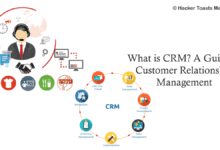
Why CRM Software for Small Business is a Game-Changer

Customer Relationship Management (CRM) software isn’t just for big corporations. Small businesses today are leveraging CRM tools to compete, scale, and deliver personalized experiences. With the right CRM software for small business, you can automate follow-ups, track leads, manage customer data, and improve team collaboration—all from one central platform.
Boosting Sales Efficiency
One of the primary reasons small businesses adopt CRM systems is to enhance sales productivity. A well-implemented CRM helps sales teams track every interaction, prioritize high-value leads, and reduce response times. According to a Nucleus Research report, businesses gain an average of $8.71 for every dollar spent on CRM.
- Automated lead scoring helps identify hot prospects.
- Sales pipelines visualize deal stages clearly.
- Task reminders ensure no follow-up is missed.
Improving Customer Retention
Acquiring a new customer can cost five times more than retaining an existing one. CRM software for small business helps maintain consistent communication, track service requests, and personalize marketing efforts. This leads to higher satisfaction and loyalty.
“A CRM system turns random interactions into structured relationships.” — Sales Expert, HubSpot
By storing customer purchase history, preferences, and past communications, your team can deliver timely, relevant support and offers.
Key Features to Look for in CRM Software for Small Business
Not all CRM platforms are created equal. For small businesses, simplicity, affordability, and scalability are crucial. Here are the must-have features when choosing the right CRM software for small business.
Contact and Lead Management
The foundation of any CRM is its ability to organize and manage contacts. Look for tools that allow you to import, segment, and tag leads based on behavior, source, or interest level.
- Centralized contact database with custom fields.
- Lead capture from web forms, emails, and social media.
- Duplicate contact merging to avoid confusion.
Platforms like Zoho CRM offer AI-powered lead scoring, helping you focus on the most promising opportunities.
Automation and Workflow Tools
Time is your most valuable asset. Automation eliminates repetitive tasks like sending follow-up emails, assigning leads, or updating records.
- Email automation based on triggers (e.g., form submission).
- Task assignment rules for sales reps.
- Automated data entry from integrations (e.g., website, calendar).
For example, Salesforce Essentials offers workflow automation tailored for small teams.
Reporting and Analytics
Data-driven decisions separate successful businesses from the rest. A good CRM provides real-time dashboards and reports on sales performance, customer behavior, and campaign ROI.
- Customizable sales forecasts.
- Conversion rate tracking by source.
- Customer lifetime value (CLV) analysis.
These insights help refine strategies and allocate resources more effectively.
Top 7 CRM Software for Small Business in 2024
After extensive research and user feedback analysis, we’ve compiled a list of the top 7 CRM software for small business. Each offers unique strengths, pricing models, and scalability options.
1. HubSpot CRM
HubSpot CRM is a favorite among small businesses for its intuitive interface and powerful free plan. It’s ideal for startups and growing teams that want to scale without complexity.
- Free forever plan with core CRM features.
- Seamless integration with marketing, sales, and service hubs.
- Live chat, email tracking, and meeting scheduling built-in.
Its drag-and-drop dashboard and visual pipeline make it easy for non-technical users to get started. Visit HubSpot’s official site to explore pricing and features.
2. Zoho CRM
Zoho CRM stands out for its AI-powered assistant, Zia, and deep customization options. It’s perfect for businesses that need flexibility without sacrificing ease of use.
- AI-driven sales forecasting and sentiment analysis.
- Multi-channel communication (email, phone, social).
- Extensive app marketplace with 500+ integrations.
Zoho also offers industry-specific templates, making it adaptable for retail, real estate, or professional services. Learn more at Zoho CRM.
3. Salesforce Essentials
Salesforce, the global CRM leader, offers Essentials—a streamlined version for small teams. It brings enterprise-grade functionality to small businesses.
- 360-degree customer view with timeline activity feed.
- Mobile app for on-the-go access.
- Automated data capture and lead assignment.
While slightly more expensive, its scalability makes it a smart long-term investment. Check out Salesforce Essentials for details.
4. Freshsales (by Freshworks)
Freshsales combines a clean UI with powerful AI and phone system integration. It’s great for sales-driven small businesses that rely on calling leads.
- Integrated VoIP and click-to-call features.
- Lead scoring powered by machine learning.
- Visual deal pipeline with drag-and-drop functionality.
Freshsales also offers a free plan for up to 3 users. Explore it at Freshworks CRM.
5. Insightly
Insightly excels in project and contact management, making it ideal for service-based businesses like consultants or contractors.
- Project tracking with milestones and tasks.
- Relationship linking to map customer networks.
- Workflow automation for recurring processes.
Its strength lies in connecting customer data with project timelines. Visit Insightly for a free trial.
6. Pipedrive
Pipedrive is built for sales-focused teams. Its visual sales pipeline is one of the most intuitive in the market, helping users stay on top of deals.
- Drag-and-drop pipeline management.
- Activity reminders and goal tracking.
- Strong integration with Gmail, Outlook, and Zapier.
It’s especially popular among real estate agents, freelancers, and B2B sales reps. Learn more at Pipedrive.
7. Agile CRM
Agile CRM offers an all-in-one solution with marketing, sales, and service tools. It’s a budget-friendly option for startups wanting maximum features at low cost.
- Marketing automation with email campaigns.
- Web tracking to see visitor behavior.
- Helpdesk and ticketing system included.
While the interface can feel cluttered, its value for money is unmatched. Check pricing at Agile CRM.
How to Choose the Best CRM Software for Small Business
Selecting the right CRM isn’t just about features—it’s about fit. Here’s a step-by-step guide to help you make the best decision for your business.
Assess Your Business Needs
Start by identifying your pain points. Are you losing leads? Struggling with follow-ups? Need better reporting? Define your goals before evaluating options.
- Map out your sales process from lead to close.
- Determine which departments need CRM access (sales, marketing, support).
- List must-have features vs. nice-to-have.
This clarity prevents overspending on unnecessary tools.
Consider Scalability and Integration
Your CRM should grow with you. Choose a platform that supports additional users, advanced features, and third-party integrations.
- Check compatibility with tools you already use (e.g., Gmail, Slack, QuickBooks).
- Look for API access for custom integrations.
- Ensure mobile app availability for remote teams.
For example, Zapier can connect your CRM to 5,000+ apps, automating workflows across platforms.
Evaluate Pricing and ROI
Most CRM software for small business offers tiered pricing. While free plans are tempting, assess long-term value.
- Calculate cost per user per month.
- Factor in training and implementation time.
- Estimate time saved and revenue increase from automation.
A $20/user/month tool that saves 10 hours weekly can pay for itself quickly.
crm software for small business – Crm software for small business menjadi aspek penting yang dibahas di sini.
Implementation Tips for CRM Software for Small Business
Even the best CRM fails without proper setup. Follow these best practices to ensure a smooth rollout.
Start with a Pilot Team
Instead of rolling out to everyone at once, test the CRM with a small group. Gather feedback, refine processes, and train champions who can guide others.
- Choose tech-savvy team members as early adopters.
- Run a 2–4 week trial with real data.
- Document common issues and solutions.
This minimizes resistance and builds internal buy-in.
Import and Clean Your Data
Migrating old contacts? Clean your data first. Remove duplicates, standardize formats (e.g., phone numbers, email addresses), and categorize leads.
- Use CSV templates provided by the CRM.
- Validate email addresses before import.
- Assign ownership to avoid confusion.
Dirty data leads to poor insights and missed opportunities.
Train Your Team Thoroughly
Adoption is the biggest hurdle. Provide hands-on training, create quick-reference guides, and offer ongoing support.
- Host live demo sessions.
- Record video tutorials for future reference.
- Appoint a CRM admin to handle questions.
HubSpot Academy, for instance, offers free CRM training courses.
Common Mistakes to Avoid with CRM Software for Small Business
Many small businesses make avoidable errors when adopting CRM. Here’s how to steer clear of them.
Over-Customizing Too Early
While customization is powerful, overdoing it early can complicate usage. Start with default settings, then tweak as you learn.
- Avoid creating too many custom fields or workflows initially.
- Stick to essential data points: name, email, company, stage.
- Refine over time based on actual usage patterns.
Simplicity ensures faster adoption and fewer errors.
Ignoring Mobile Access
Today’s teams work remotely. A CRM without a reliable mobile app limits productivity.
- Test the mobile app before committing.
- Ensure offline access and syncing capabilities.
- Check if key features (e.g., logging calls) are available on mobile.
Salesforce and HubSpot offer robust mobile experiences.
Failing to Use Automation
Many businesses install a CRM but continue manual processes. Automation is where the real time savings happen.
- Set up auto-responders for new leads.
- Automate task creation after meetings.
- Use workflows to notify managers of stalled deals.
Even basic automation can save 5–10 hours per week.
Future Trends in CRM Software for Small Business
The CRM landscape is evolving fast. Staying ahead means understanding emerging trends that could impact your business.
AI and Predictive Analytics
Artificial intelligence is no longer a luxury. Modern CRM tools use AI to predict customer behavior, suggest next steps, and automate responses.
- AI-powered chatbots for instant customer support.
- Predictive lead scoring based on engagement patterns.
- Natural language processing for email sentiment analysis.
Zoho Zia and Salesforce Einstein are leading this shift.
Integration with Communication Platforms
CRMs are becoming central hubs that connect with messaging apps, video calls, and collaboration tools.
- Direct integration with WhatsApp, Slack, and Teams.
- Call logging from Zoom or Google Meet.
- Unified inbox for emails, chats, and social messages.
This reduces context switching and improves response times.
Vertical-Specific CRMs
Generic CRMs are being replaced by industry-tailored solutions. Real estate, healthcare, and legal firms now have CRMs designed for their workflows.
- Pre-built templates for appointment scheduling.
- Compliance features for data privacy (e.g., HIPAA).
- Industry-specific reporting and KPIs.
For example, Keap specializes in small business automation for service providers.
What is CRM software for small business?
CRM software for small business is a tool that helps manage customer interactions, track sales leads, automate marketing, and improve customer service. It centralizes customer data to enhance relationships and drive growth.
Is there a free CRM software for small business?
Yes, several CRM platforms offer free plans, including HubSpot CRM, Zoho CRM, and Freshsales. These often include core features like contact management, email tracking, and basic automation.
How much does CRM software for small business cost?
Prices vary widely. Free plans are available, while paid tiers range from $10 to $50 per user per month. Costs depend on features, number of users, and integrations needed.
Can CRM software help with marketing?
Absolutely. Many CRM systems include marketing automation features like email campaigns, lead nurturing, and campaign tracking, helping small businesses run targeted, data-driven marketing.
How long does it take to implement CRM software?
Implementation can take anywhere from a few days to several weeks, depending on data complexity, team size, and customization needs. A simple setup with a free CRM can be done in under a week.
Choosing the right CRM software for small business is one of the most impactful decisions you can make. From boosting sales efficiency to improving customer retention, the benefits are clear. With options like HubSpot, Zoho, and Salesforce Essentials, there’s a solution for every budget and need. Focus on simplicity, scalability, and automation to get the most value. Avoid common pitfalls like poor data management and lack of training. As AI and integration trends evolve, today’s CRM is more powerful than ever. Invest wisely, implement thoughtfully, and watch your small business grow smarter and faster.
crm software for small business – Crm software for small business menjadi aspek penting yang dibahas di sini.
Further Reading: